Real Estate Prices Explained: Tools, Insights, and Tech to Track and Predict Property Value Trends
Real estate prices are among the most discussed and crucial metrics in the housing market. Whether you’re a first-time buyer, seasoned investor, or real estate professional, understanding real estate prices can directly impact your financial decisions and outcomes. With property values constantly shifting due to market forces, having access to real-time tools, analytics platforms, and predictive models can give you a significant edge.
This article explores how real estate prices work, why they matter, and which tools and technologies can help you monitor, analyze, and act on pricing data effectively.
What Influences Real Estate Prices?

Real estate prices are determined by a combination of demand, supply, location, economic conditions, interest rates, and neighborhood desirability. When demand exceeds supply, prices typically rise. Conversely, when there’s an oversupply of homes, prices can stagnate or decline.
Factors such as school districts, access to transportation, proximity to employment hubs, and crime rates also play a major role in localized pricing. Seasonal patterns, government policies, and global economic shifts further add complexity to real estate valuation.
Understanding these drivers allows buyers and investors to anticipate trends and make data-backed decisions rather than relying on guesswork.
The Benefits of Tracking Real Estate Prices
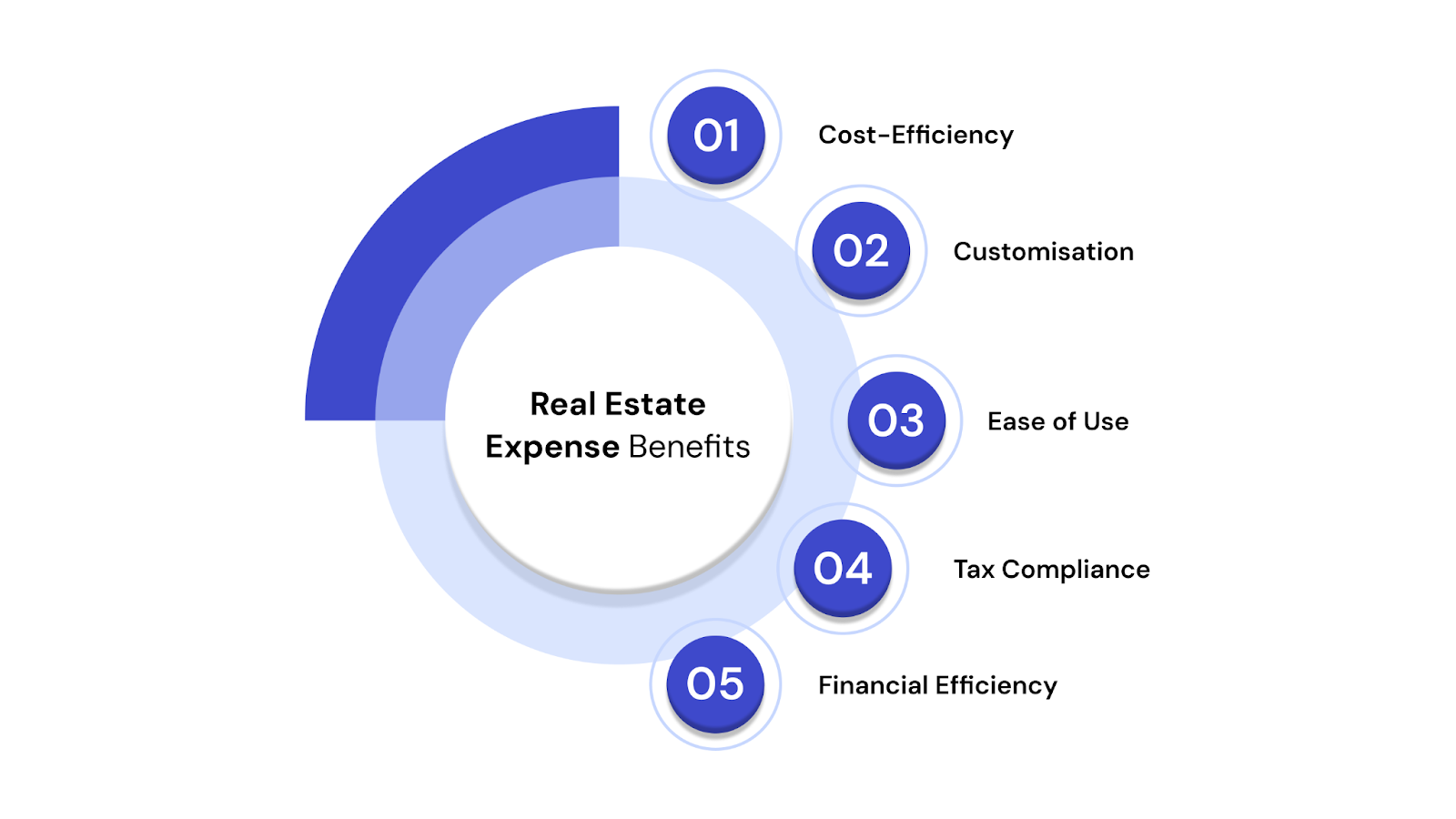
Knowing how real estate prices are moving in your area or target market provides several key advantages:
Smarter Investment Decisions
Buyers and investors can time purchases based on market cycles. Buying during a downturn or in undervalued markets can lead to greater long-term gains.
Better Property Valuation
Sellers can list properties at realistic and competitive prices to attract buyers and avoid long listing periods.
Portfolio Management
Investors with multiple properties can monitor the performance of their assets and make adjustments based on appreciation trends or rental yield shifts.
Risk Mitigation
By observing market softening or price corrections early, investors can reduce exposure, delay purchasing decisions, or offload assets at the right time.
Zillow Home Value Index (ZHVI)
Zillow’s Home Value Index (ZHVI) provides one of the most comprehensive sources of home price data in the U.S. It aggregates real-time market data from public records, MLS feeds, and Zillow listings to deliver a current, median home value for specific ZIP codes, cities, and counties.
ZHVI also includes historical trends and forecast models, making it a go-to tool for both agents and investors. Users can download raw data for custom analysis or use the built-in dashboards to explore year-over-year appreciation, sales velocity, and more.
Zillow’s platform is ideal for anyone needing detailed home price data without paying for enterprise software. It offers free tools with powerful filtering options and neighborhood-level granularity.
Redfin Data Center
The Redfin Data Center offers an advanced look at housing market trends across the United States. This free tool features real estate prices, number of homes sold, days on market, and price per square foot—all presented in clean, interactive dashboards.
Redfin’s technology tracks listing and closing data from its network, ensuring near real-time updates. For agents, this can provide a strategic advantage when preparing CMAs (comparative market analyses). For buyers and investors, it helps identify markets that are heating up or cooling down.
Unlike some competitors, Redfin also highlights competitive bidding trends and median sale-to-list price ratios, crucial when assessing how far below or above asking price buyers are paying.
RealtyTrac Property Value Data
RealtyTrac provides access to deep property-level data, including home prices, foreclosure history, and estimated market value. Investors use this platform to identify undervalued properties, distressed assets, and upcoming opportunities based on price trends.
The interface allows users to filter properties by city, ZIP code, or neighborhood and view pricing heatmaps that indicate which areas are appreciating faster than others. With additional access to mortgage and lien information, RealtyTrac is especially valuable for real estate wholesalers and flippers.
You can access basic data with a free account, while premium users get full access to historical sales records and owner contact information.
CoreLogic Real Estate Analytics
CoreLogic is a premium solution used by institutional investors, banks, and large brokerages. It provides macro and micro-level analysis of real estate prices across the U.S., covering mortgage risk, pricing forecasts, and property valuation models.
While CoreLogic is more advanced and better suited for enterprise users, its predictive pricing analytics are among the most accurate in the industry. The platform integrates big data, AI modeling, and neighborhood indicators to project pricing trends up to 12 months in advance.
If you’re managing a real estate fund or developing large-scale investment strategies, CoreLogic offers unmatched forecasting and insights.
Realtor.com Housing Market Research
Realtor.com offers an easy-to-use portal with extensive data on real estate prices, rental markets, and affordability metrics. Its regular reports and dashboards make it a great resource for casual homebuyers and agents looking for digestible trends.
The site includes information like median list prices, price per square foot, and supply-demand ratios. Realtor.com’s research is also used in media outlets like CNBC and The Wall Street Journal, giving it credibility and reach.
For those who want insights without signing up for a professional tool, Realtor.com provides a trustworthy and user-friendly option.
The Role of Technology in Understanding Real Estate Prices

Technology has transformed how we monitor and interpret real estate prices. Advanced platforms use AI and machine learning to track billions of data points, identify price trends, and deliver alerts when pricing anomalies appear.
Real-Time Market Updates
Tools like Redfin and Zillow offer near-instant updates when listing prices change, helping users stay ahead of local market shifts.
Predictive Analytics
Platforms like CoreLogic use historical data and AI modeling to predict where prices are heading, giving buyers and investors a competitive edge.
Custom Alerts and API Access
Advanced users can integrate price data into custom dashboards using APIs provided by Zillow or Realtor.com, allowing for automated insights and alerts based on specific market behaviors.
Localized Heatmaps
Services like RealtyTrac use visual overlays to indicate high- or low-growth zones, helping users understand pricing volatility within a city or neighborhood.
Use Case: How a Real Estate Investor Tracks Market Timing
Problem:
An investor managing multiple rental properties wanted to expand but didn’t know which city offered the best appreciation potential without overpaying.
Solution:
Using Zillow and Redfin’s historical price data and CoreLogic’s forecast reports, they identified three emerging markets with consistent double-digit growth. They set up alerts to track new listings and monitored average time on market.
Result:
By entering the market early, the investor acquired three properties below median pricing and saw a 17% increase in value within 12 months, far above the national average.
This demonstrates how using data from multiple platforms allows for smarter, more strategic investments based on real estate pricing insights.
How and Where to Access Real Estate Price Tools
You can start analyzing real estate prices today using these trusted sources:
These tools range from free public dashboards to premium enterprise platforms. Depending on your goals, buying, selling, investing, or advising, you can choose one or more to support your decision-making.
FAQ
1. What causes real estate prices to increase?
Real estate prices rise due to higher demand, limited supply, favorable economic conditions, and low interest rates. Neighborhood development and infrastructure upgrades also boost local values.
2. How can I track real estate price changes over time?
Platforms like Zillow, Redfin, and Realtor.com provide historical pricing data, while tools like CoreLogic offer predictive analytics for future trends.
3. Are real estate price prediction tools accurate?
While no tool can guarantee accuracy, platforms using AI and large datasets like CoreLogic offer high-confidence projections. Cross-referencing multiple tools can also improve decision quality.