Luxury Home Interior Design Guide: Top Products, Trends & How to Bring Elegance Home
Luxury home interior design is more than decorative touches; it combines high-end materials, smart-home integration, and curated furnishings to create spaces that impress and endure. The primary transactional keyword for this guide is “luxury home interior design”, capturing the intent of homeowners, interior designers, and remodelers seeking refined spaces. In this in-depth article, you’ll learn:
-
Why luxury home interior design matters
-
Five standout products/tools that elevate interiors
-
How technology enhances space, comfort, and value
-
Step-by-step guidance to execute upscale design
-
Frequently asked questions to wrap things up
Let’s explore what defines luxury in home interiors and how to make it real.
What Makes Luxury Home Interior Design Essential
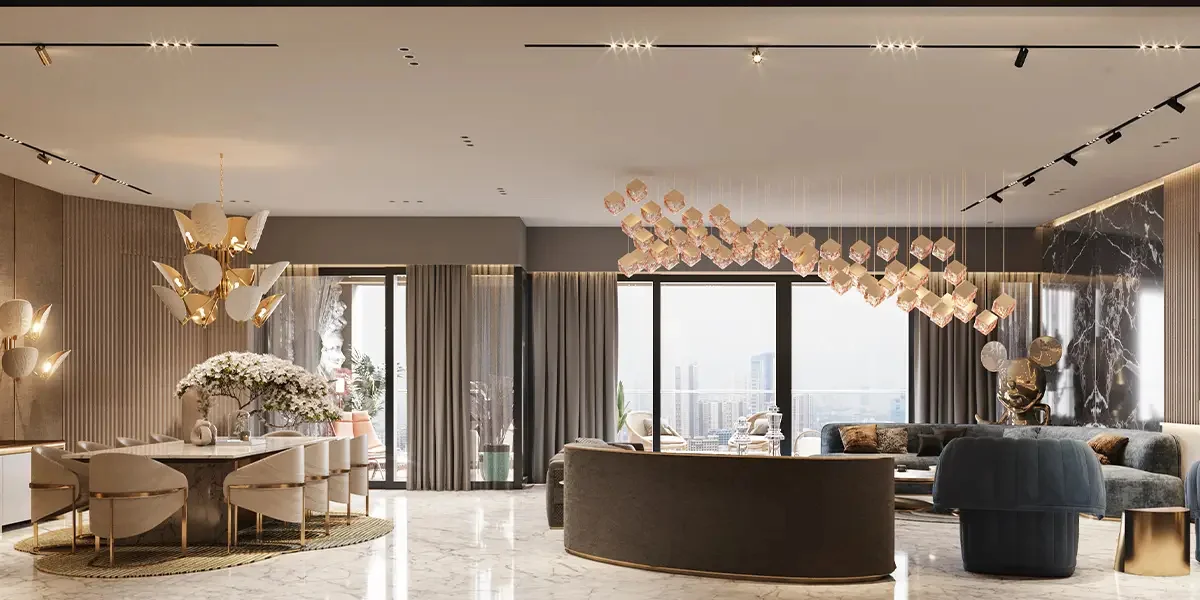
A well-executed luxury interior merges comfort, beauty, and functionality. It reflects personal style while delivering long-term value, often increasing property value. Luxury design features high-end materials like marble, velvet, and custom millwork, combined with lighting, sustainability, and integrated technology for seamless living.
Contractors and designers often boost ROI during resale by installing luxury-grade fixtures and finishes. According to Architectural Digest, trends like textured materials and circadian lighting are defining upscale interiors in 2025. Prioritizing luxury home interior design ensures that a property looks exclusive and functions elegantly.
Top Products to Enhance Luxury Home Interior Design
We’ll profile five standout products and tools critical for achieving luxury interiors: visualization platforms, smart-home tech, premium materials, and integrated systems.
Planner 5D AI Visualization
Planner 5D is an AI-powered 3D design tool used by professionals and homeowners to visualize upscale interiors with realistic 4K renders at planner5d.com.
Homeowners can design their living rooms with high-end finishes like marble floors or velvet upholstery, then use Planner 5D’s AI tool to test color schemes and spatial layouts in minutes.
Why it matters: The visual feedback prevents costly missteps like poor color matching or scale mistakes often missed in 2D blueprints.
How to use & buy: Sign up on Planner 5D, start free, then upgrade for access to premium materials and export features. Its library includes thousands of furniture pieces and architectural elements ideal for luxury home interior design.
Lumion Real-time 3D Visualization
Lumion is a powerful real-time visualization platform for architects and designers, a top tool for rendering lighting, materials, and smart features in luxury projects. Fixtures, offering clients photorealistic walkthroughs before construction.
Usage benefits: Fast visualization of design proposals helps clients interact with finishes like Venetian plaster, wood paneling, or integrated mirror TVs.
How to purchase: Available in Standard and Pro licenses via the Lumion website. Designers can share renderings as part of luxury home interior design presentations.
Netatmo Smart Home Systems
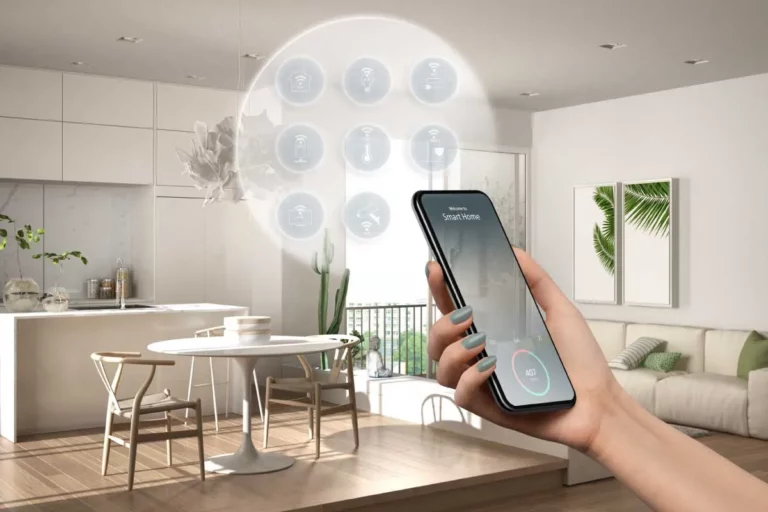
Netatmo offers integrated smart-home devicesthermostats, air quality monitors, and security cameras that combine elegant design with high functionality.
Luxury homeowners can integrate Netatmo for intelligent climate control, facade sensors, and air quality monitoring, all controlled through minimalist wall-mounted modules that complement upscale interiors.
Why use it: These soft-tech systems offer health and environmental comfort without disrupting visual aesthetics.
How to integrate: Purchase devices from Netatmo or a smart-home retailer; most systems work with Apple HomeKit or other platforms for unified control.
Mirror TVs for Seamless Living Spaces
Mirror TVs hide entertainment systems within glass surfaces, switching from mirror to display. They are perfect for bathrooms, bedrooms, or lounges.
Designers specify Mirror TVs to blend tech into luxury interiors cleanly. For example, in a marble-clad bathroom, a switch-on Mirror TV allows viewing news while still looking like a decorative mirror.
Benefits: Maintains uncluttered aesthetics while delivering functional entertainment.
How to purchase: Available through custom AV providers or specialty vendors—choose based on size, resolution, and finish.
Epic Systems Smart Home Integration
EpicSystems systems combine lighting, security, theater, and HVAC into a luxury hosolutiontio.
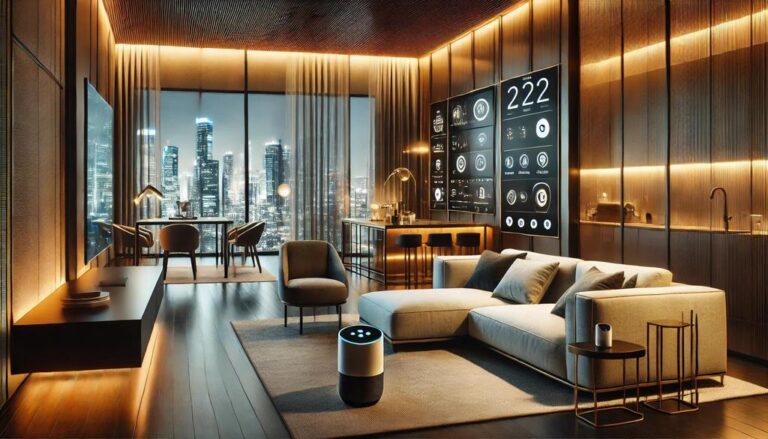
Developers of high-end homes use these systems to deliver intuitive control: dimming scenes, climate zones, integrated blackout draperies, and voice commands. Settings can support circadian rhythms, ambiance shifts, and remote control.
Why they’re needed: These systems support wellness-enhancing design, not just control.
How to buy: Engage a luxury home integrator to assess the scope and select modules; installation requires professional planning and configuration.
How Technology Elevates Luxury Home Interior Design
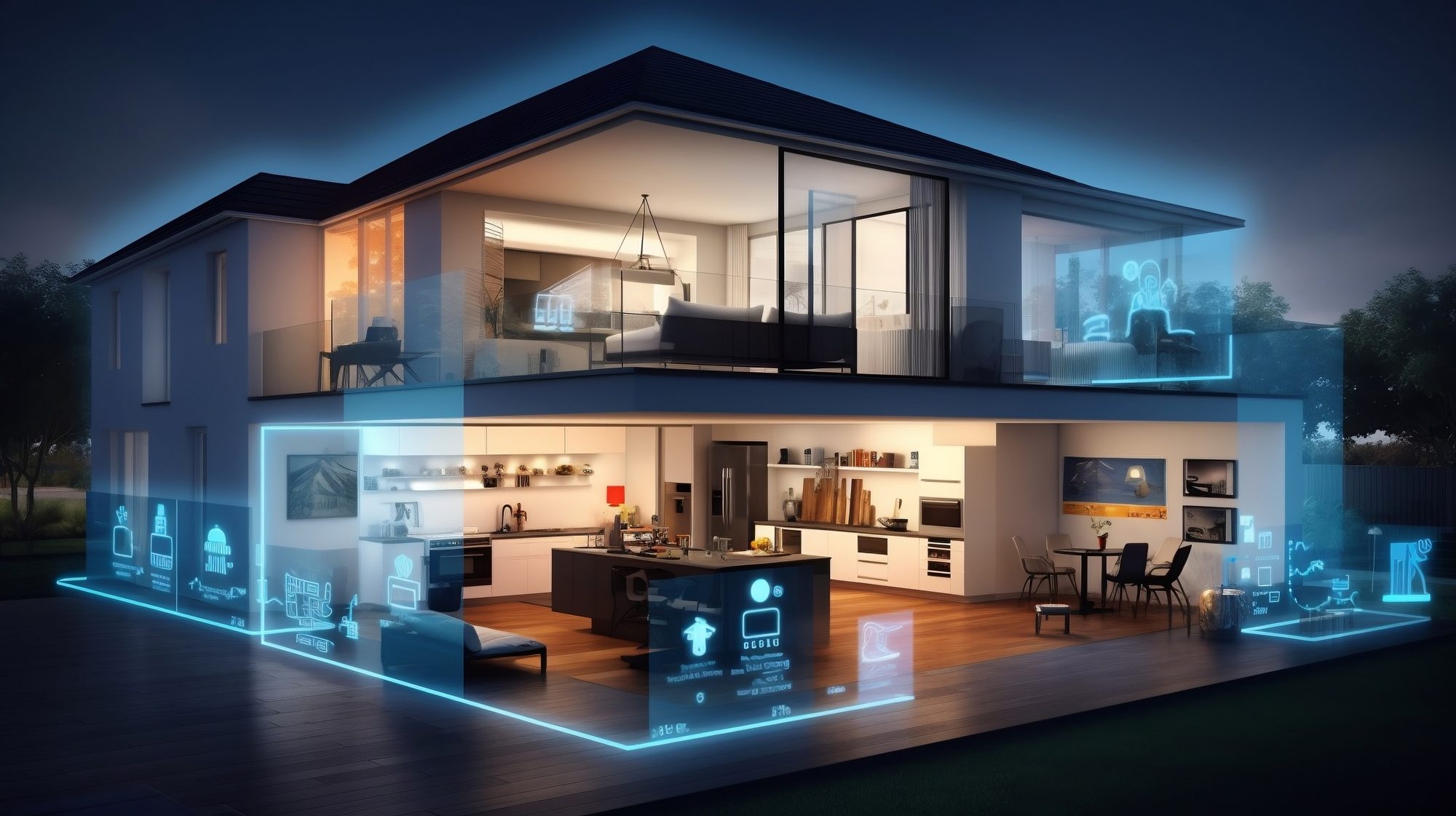
Intelligent Lighting That Wins Awards
Smart lighting adjustable by tune or routine is now a central element in high-end interiors. AD PRO notes that otes circthat llongand tunable systems are top design requests in 2025. These systems enhance mood, function, and aesthetic while preserving design integrity.
Seamless Tech Integration
Integrated home cinema, discreet smart sensors, and invisible wiring maintain clean sightlines, preserving the visual integrity of luxury materials and furnishings. Mirror TVs and hidden speakers provide functionality without visual clutter.
Visual Planning and Real-Time Feedback
Tools like Planner 5D and Lumion offer manufacturers and clients ongoing iteration in interiors, changing materials, lighting, and furnishings. This visibility reduces missteps and speeds project completion.
Health & Sustainability
Smart thermostats, air quality monitors, and circadian lighting systems combine comfort and eco-friendly operation. Netatmo research supports integrating health-focused tech in luxury homes, planner5d.com.
Step-by-Step Guide to Luxury Home Interior Design
-
Define the Vision – Identify design style, color schemes, and atmosphere, minimalist, maximalist, or wellness-focused.
-
Create a Visual Plan – Use Planner 5D or Lumion to prototype finishes, lighting, and furniture layouts.
-
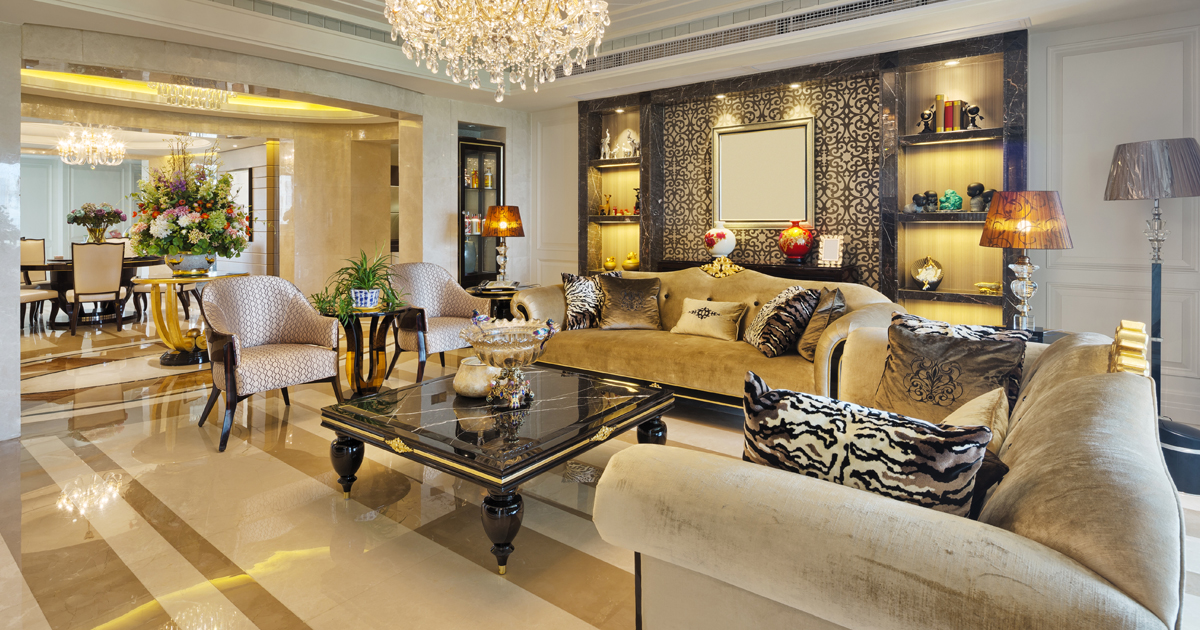
Specify Premium Materials – Include marble, custom cabinetry, millwork, and art-grade textiles—these are central to luxury identity.
-
Select Smart Systems – Install Netatmo climate control, mirror TVs, and EpicSystems integration for wellness, security, and convenience.
-
Layer Lighting Scenes – Include ambient, task, and accent lighting; ensure circadian systems support day-night cycles.
-
Finalize Furnishings – Choose pieces that match interior themes and meet comfort and durability standards.
-
Review in Virtual Tools – Make adjustments in 3D before on-site installation begins.
-
Install precisely – Coordinate trades—finish carpentry, electricians, AV integrators—to execute according to the vision.
-
Commission Systems – Have technicians calibrate lighting scenes, home climates, and AV components post-install.
-
Maintenance Planning – High-end systems require updates and servicing to retain luxury quality.
Frequently Asked Questions
What defines luxury home interior design?
Luxury design includes premium materials, custom finishes, integrated technology, and wellness-focused features like circadian lighting. These raise aesthetic, comfort, and property value.
Are smart-home systems necessary for luxury interiors?
Yes. Integrated systems that manage lighting, climate, security, and entertainment enhance the longevity and liveability of luxury spaces without disrupting design flow.
Can I use visualization tools myself?
Absolutely. Platforms like Planner 5D and Lumion let both professionals and homeowners visualize high-end interiors realistically, helping avoid mistakes before build-out or remodeling.